

The Golf Course: Current Progress and Next Steps for Recovery/Maintenance
| We want to provide a clear and transparent update on where we stand today, along with what you can expect over the coming weeks. Over the past week, we evaluated our maintenance plan against current execution to ensure alignment and accountability. Based on that review, we are making steady, measurable progress across all major areas of the golf course. Where We Stand Today From a turf management standpoint, we are in a strong position heading into peak growing season. Chemical Applications All scheduled applications to date (fertilizer, insecticides, etc.) have been completed. Approximately 95% of broadleaf weeds (clover, dandelions, etc.) have been treated with remaining areas that may have been missed being addressed through targeted spot applications Rough Management Rough mowing is a continuous, rolling process due to the size of the property.Even with improved equipment, this remains a time-intensive task. To improve consistency, we have implemented a zoned mowing schedule: *Prioritizes high-impact playing areas during times of staffing or equipment issues (for example, ensure all rough around greens is cut, along with major landing areas in that days zone) *Establishes a consistent rotation across the course and accounts for wet conditions to prevent turf damage and equipment strain *This system creates a more structured and reliable approach moving forward to ensure consistent Fertilization & Turf Health Fairways and tees will receive a fertilizer application this week followed shortly by an insecticide treatment to protect turf health, consistent with planned application timing. Equipment Additions We are pleased to announce more of the new equipment ordered has arrived, in the form of the zero turn mower for (detail work and tight areas) and an additional Triplex unit (tees, collars, approaches, and additional greens refinement practices) Our final piece, the aerifier, is expected to be delivered today. These additions significantly improve execution capability and consistency in lieu of continual repair work. 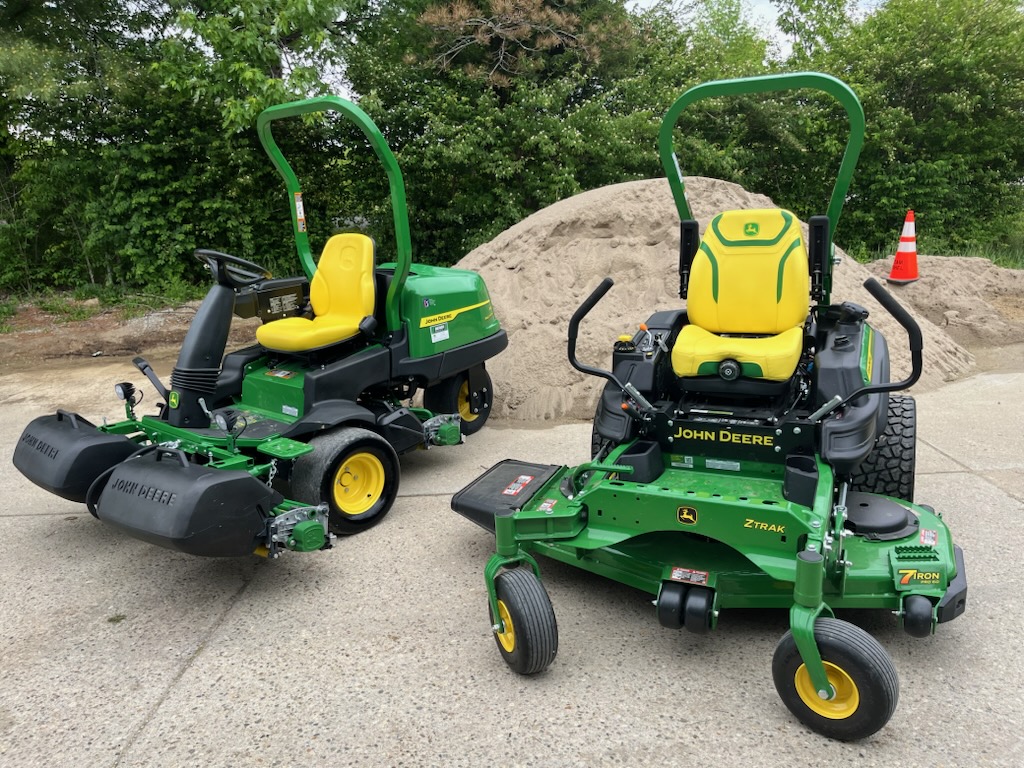 Current Turf Position Before outlining next steps, it is important to provide context on where we stand today. Overall, we are very encouraged by the current condition and trajectory of the turf across the property. We recognize there are still improvements to be made, however, iven the realities of our region (clay-based soils and underlying rocky terrain common to our area) the progress to this point is both meaningful and in line with expectations for recovery. Clay-heavy soils naturally: *Hold excess moisture, limiting oxygen availability to roots *Compact easily, restricting root growth and nutrient uptake *Create conditions where thatch can accumulate and persist without proper cultural practices Because of this, long-term success is not achieved through surface-level improvements alone. It requires consistent, time consuming work below the surface to improve soil structure, drainage, and root development. The work completed so far—including aerification, topdressing, seeding, fertilization, and improved chemical applications—has positioned the turf to respond positively as we move further into the growing season. We are already seeing: *Improved turf density and coverage in key areas *Positive response to fertility and moisture management practices *Early development of stronger, healthier root systems It is important to emphasize that the steps we are taking now are not corrective efforts to catch up, but rather intentional actions designed to carry this progress through to a strong and sustainable finish. Our focus is not only on recovery, but on building a foundation that prevents future decline. |
| Irrigation & Course Repairs Rain Bird Conversion Hole 18 is complete as a part of Phase 1 *Currently, work is being completed on the Putting Green/Driving Range, consistent with Phase 1 plans *Our ongoing approach will include a focus on completing each phase, while irrigation valve repairs around greens are being upgraded to Rain Bird components *This is a gradual, long-term process, as resources are also allocated to typical ongoing irrigation leak repairs Hole 6 Update *Irrigation repairs in the fairway are nearing completion. This repair has not been a simple process given the location and composition, but progress is being made. Until the repair is complete: *The hole will play as a par 3 *Please record a net par for score posting purposes 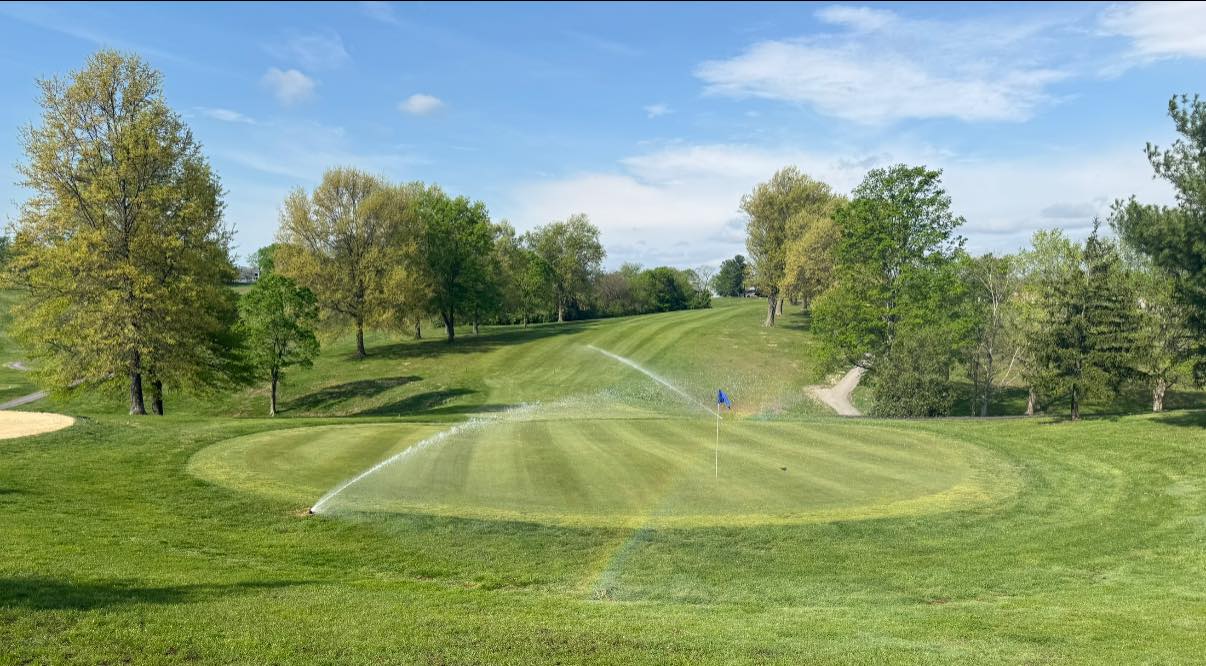 What to Expect Over the Next Month Beginning the week of May 11, we will begin a phased progression focused on improving greens performance, continuing our planned course of action for the season Each step is designed to build on the current position of the turf. Short Term (Next 2 Weeks) Greens will undergo: *Spiking (solid tine venting to improve air exchange into the root zone) *Light topdressing (sand applications to begin improving soil structure and surface smoothness. This practice will: *Improve oxygen flow in compacted soils *Help manage moisture more effectively *Support continued root development and turf recovery Additionally, follow-up fertilizer applications will be applied to support active growth Following Aerifier Arrival (Expected Today) Greens will receive: *Light, non-invasive solid tine aerification (minimal surface disruption) *Followed by a light topdressing application With the goal of: *Continuing improving soil structure and drainage capability *Relieve deeper compaction layers *Maintain playability while making long-term improvements Progression of improving Greens Playing Conditions By May 13th, we will continue our gradual lowering of height of cut on greens, eventually reaching a targeted height of cut by June 3rd. This will be a thoughtful process accomplished in incremental adjustments based on: *Turf health and density *Root strength *Overall plant stress levels We will also use supporting actions including continued topdressing as needed and the potential use of rolling to enhance consistency, (and a little speed, hopefully) without adding stress. Our Planned Direction Our priority is long-term sustainability and consistency. We are managing clay-based soils and the effects of limited aerification over time, which requires a disciplined and methodical approach. While greens may currently play slower than desired now, the work being done is building a stronger foundation beneath the surface—one that supports healthier turf, more consistent conditions, and improved playability over time. We will not overpromise specific speeds or short-term results, but we will continue to execute the plan with focus and accountability. Across all areas of the operation—golf course, clubhouse, and overall member experience—the commitment remains the same: continuous, measurable improvement. Long-term planning efforts are also underway in coordination with the POA, and we look forward to sharing more as those plans develop. Warm regards, Ryne Burnett, PGA Director of Golf rburnett@hvlpoa.net Pro Shop: (812) 537-5033 Online Account Management Link |
